
Personal Care
Supporting Your Comfort and Independence at Home
Our personal care services support daily routines while helping individuals maintain dignity, comfort, and independence at home. At Eros Home Care Services Ltd., our trained carers provide personalized support through flexible visits tailored to each person’s needs.
- Dedicated One-to-One Care
- Safe and Comfortable Home Support
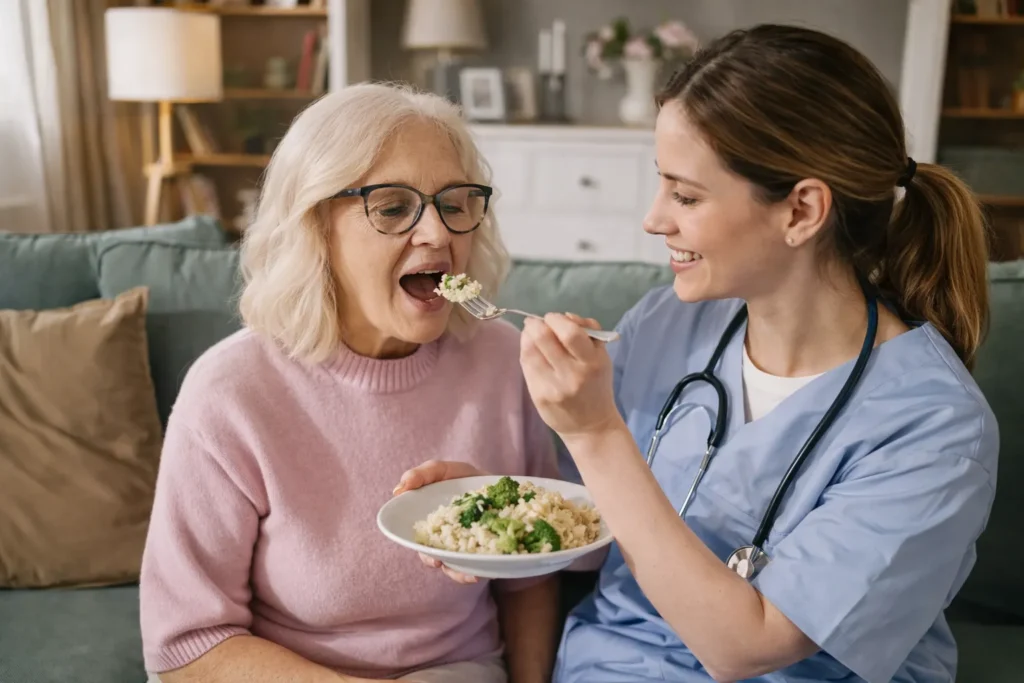
What Is Personal Care?
Personal care is a type of home care that supports individuals with everyday tasks that may become difficult due to age, illness, or mobility challenges.
With the help of professional carers, individuals can continue living at home while receiving respectful and practical assistance with their daily routines.
Personal Hygiene Assistance and care may include:
- Bathing, showering, and personal hygiene
- Dressing and grooming
- Toileting and continence support
- Mobility and transferring assistance
- Medication reminders
- Assistance with eating and drinking
The aim is to provide support in a way that protects dignity and encourages independence.
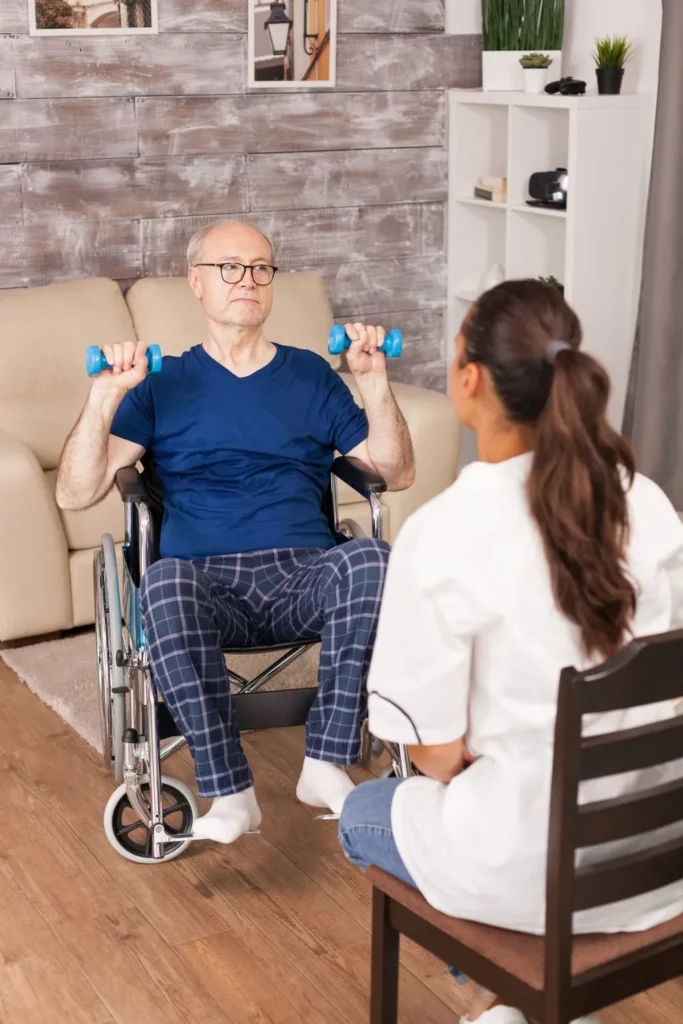
Why Is Personal Care Important?
With daily living support, your loved ones get help with routines, personal care, and tasks, making life easier at home.
Key benefits include:
In-home personal care delivered by trained carers ensures individuals receive support respectfully and sensitively, helping them feel comfortable and confident.
With the right level of daily living assistance, individuals can continue managing their daily routines while staying in control of their lifestyle.
Regular support with hygiene and in-home personal care helps maintain overall health and reduces the risk of infections or complications.
Families feel reassured knowing their loved one is receiving safe and professional care at home.
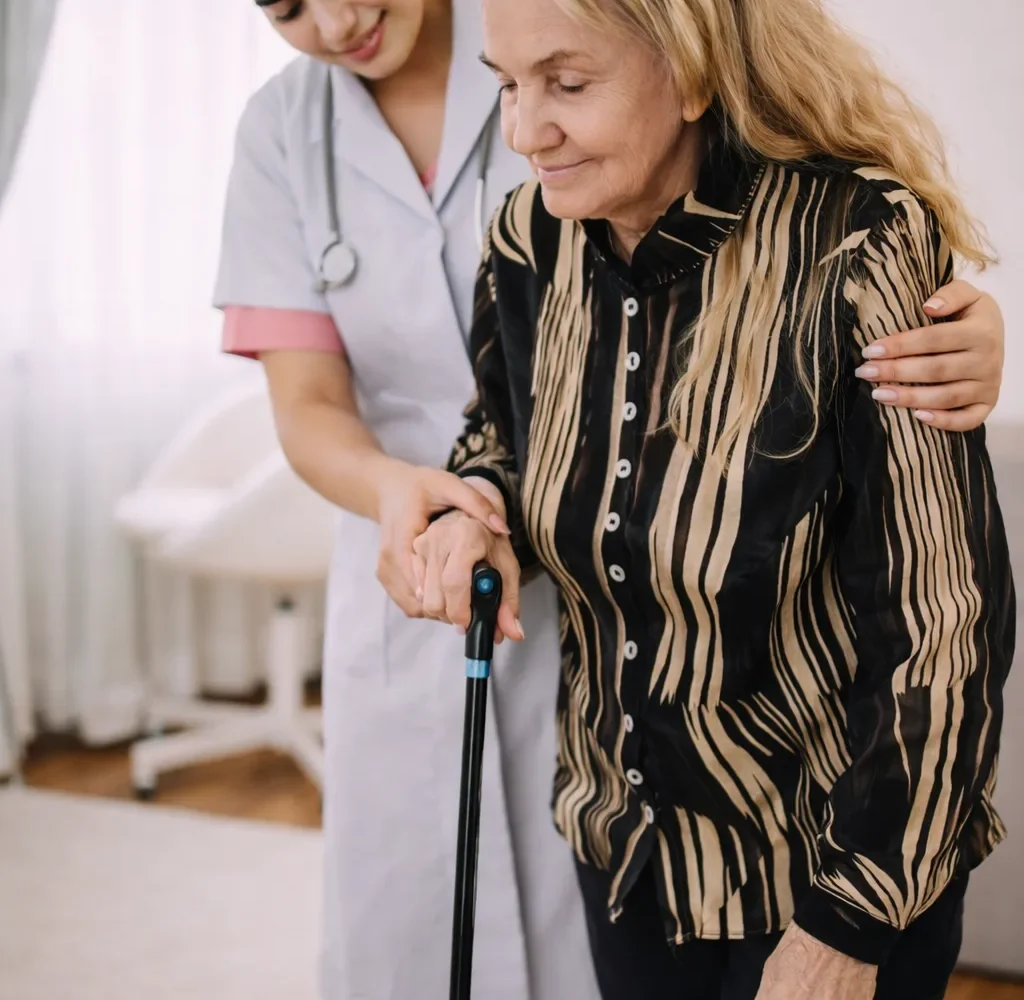
Signs Your Loved One May Need Daily Living Assistance
Knowing when to seek extra support can be difficult. Many families notice small changes over time and start to feel concerned about their loved one’s comfort or safety at home. Personal care may be beneficial if you notice the following:
- Difficulty with bathing, dressing, or grooming
- Changes in personal hygiene
- Reduced mobility or risk of falls
- Needing help with toileting or continence care
- Struggling with daily routines
- Feeling less confident managing personal tasks
Early support can help individuals maintain their comfort and independence for a longer period.
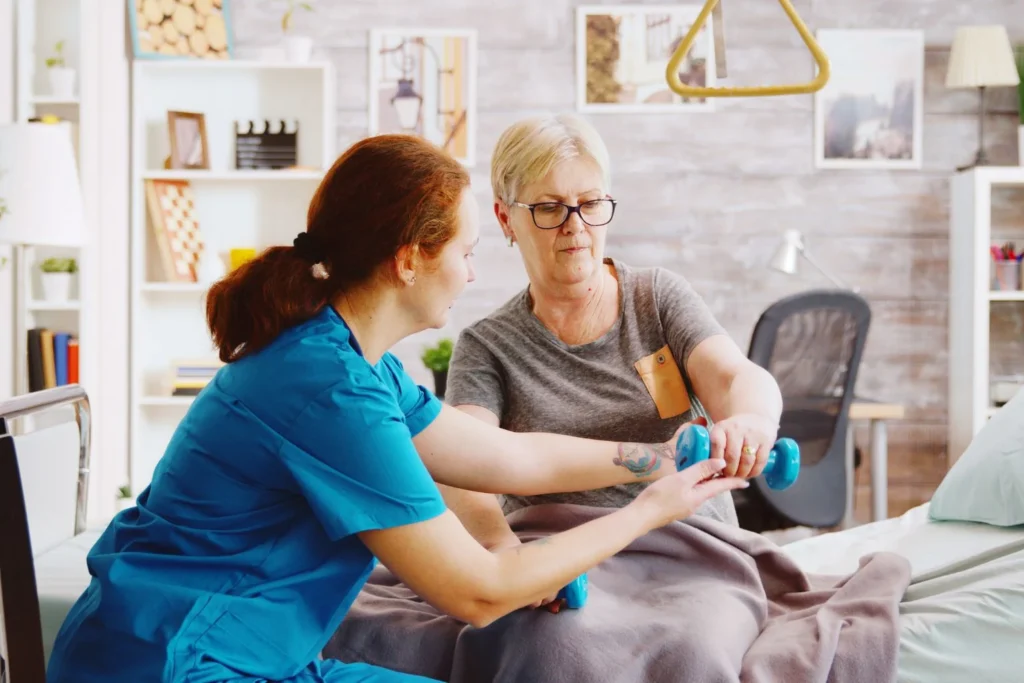
How We Provide Personal Care in Southport
At Eros Home Care, we take a personalized approach to care at home, taking the time to understand each individual’s needs, preferences, and daily routine. This allows us to provide support that feels natural, comfortable, and truly suited to the person.
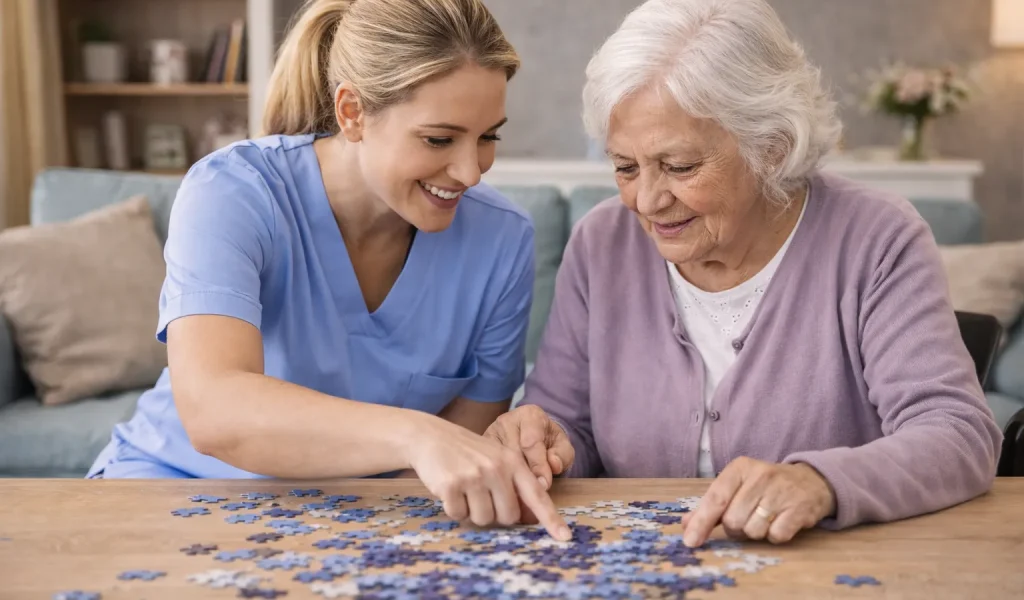
We begin by understanding the individual’s needs, preferences, and daily routine.
We create a tailored care plan that outlines the level of support required and how it will be delivered.
We carefully match each individual with a compassionate, professional carer and arrange visits that suit their schedule and lifestyle.
We regularly review care plans to ensure the support continues to meet changing needs.
What We Do to Provide Quality Personal Care
Our personal hygiene care services are designed to support both physical comfort and emotional well-being.
Our carers can assist with:
- Personal hygiene and grooming
- Bathing and dressing
- Toileting and continence care
- Mobility and safe movement around the home
- Medication reminders
- Meal support and hydration
- Friendly companionship and reassurance
We focus on delivering care that is respectful, consistent, and tailored to each individual.

If you or a loved one is considering personal care in Southport, our team is here to guide you through the process. We take the time to understand your needs and recommend the right level of support.
Frequently Asked Questions
What does in-home personal care include?
Personal care includes support with daily activities such as bathing, dressing, grooming, toileting, and mobility, as well as help with medication reminders and general well-being.
Can home caregiver services be provided at home?
Yes, personal care is provided in the comfort of your own home, allowing individuals to remain in familiar surroundings while receiving the support they need.
How often can professional home attendants visits be arranged?
Visits can be arranged based on individual needs, from occasional support to multiple visits each day.
Is senior personal care suitable for elderly individuals?
Yes, personal care is commonly provided to older adults who need assistance with daily routines while remaining independent at home.
How do I arrange personal care in Southport?
You can contact our team to discuss your needs and arrange a consultation. We will guide you through the process and create a personalised care plan.